Coinbase Maps Three Market Concentrations for 2026: Reading Between the Infrastructure Claims
Why Coinbase’s “Infrastructure Era” looks more like capital retreat than maturity
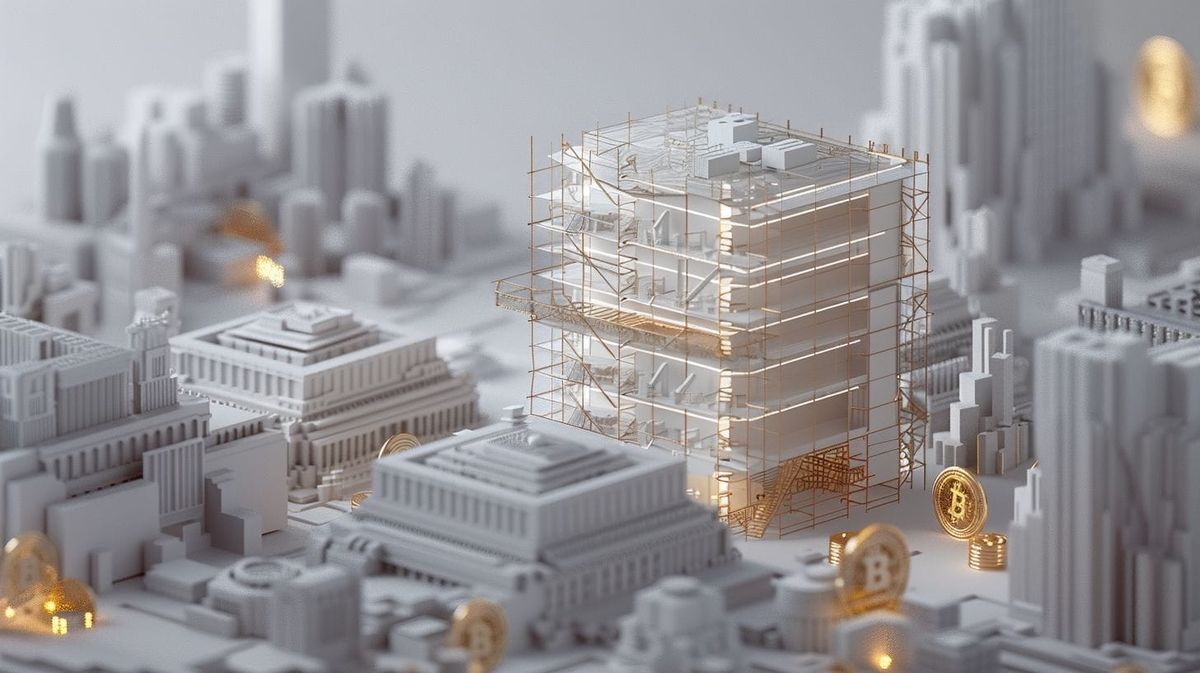
In its 2026 market outlook released last week, Coinbase analysts claim that crypto markets operate differently now. Moving past the old boom-and-bust patterns driven by retail traders and token launches, they claim that big institutions and market fundamentals now drive prices.
The platform points to three areas:
- Perpetual futures
- Prediction markets
- Stablecoins
They say crypto is maturing, moving past hype, and becoming real infrastructure.
When the narrative shifts from 'growth' to 'infrastructure,' it requires a reality check. Coinbase correctly identifies where money is pooling for 2026, but labeling these concentrations as 'infrastructure' is debatable.
Perpetual Futures as Foundation
Coinbase says derivatives make up most trading now across major platforms. How prices form has changed: today, it depends on trader positioning, funding rates, and available liquidity, but not on retail buyer momentum.
Following the aggressive deleveraging and forced selling seen in late 2025, Coinbase characterizes the fallout as a 'structural reset' but not a market retreat. Their view? Excess betting got removed. But trading in perpetual futures stayed strong. The report says tighter margin rules help. Better risk controls help, too. Markets absorb shocks better now.
Here's a building comparison. This is like saying foundation cracks were planned for stress relief. But forced sales are management failures. Not features. What does Coinbase really describe? Derivatives became the main support after the borrowed funds were cut.
They say perpetual futures "anchor price discovery." What does that mean? Derivatives control spot markets. This isn't a better structure. It shows where volume went after crashes.
Prediction Markets as Plumbing
Coinbase says prediction markets are changing. From tests into "durable financial infrastructure." Their proof? They cite rising volumes, deeper money pools, and greater functionality for risk transfer as proof.
Platform splits drive demand to combine them. The report says skilled participants are now joining these markets, beyond crypto users. Rules are getting clearer in some places, too.
From a logistics perspective, this describes market-making. Not infrastructure. Prediction markets work as markets for betting on event outcomes. Call it infrastructure? That's like calling a betting window transportation infrastructure at the racetrack.
They let people bet on yes-or-no outcomes. That's market making, not plumbing. Real infrastructure means:
- Payment rails
- Storage systems
- Regulatory structures
By contrast, prediction markets are betting venues with better screens than before.
Coinbase conflates volume growth with structural value. High activity in a betting venue proves demand for speculation, not the existence of plumbing. It means finding money, finding profit spots. There's a difference.
Stablecoins and the Payment Story
Coinbase calls stablecoins crypto's most steady real use. Transaction volumes grow through:
- Settlement
- Cross-border transfers
- Money management
This growth is powered by utility, not speculation. Payment activity is now mixed with automated trading. Using AI-based apps, too. The firm says this strengthens blockchain payments. They call it "foundational infrastructure."
Strip away the infrastructure talk, and you’ll see that stablecoins primarily solve a banking problem for crypto businesses – internal plumbing rather than 'real-world' activities like paychecks or store purchases.
What Coinbase Actually Maps
The report shows where crypto activity is concentrated in 2026. So we can see that all three areas - derivatives control, prediction market growth, and stablecoin use – serve internal crypto needs, but not for external expansion.
What's missing? Use outside crypto-only cases. The "structural shift" Coinbase describes is about packing together, not expanding. Activity pools in fewer, more liquid venues. After the borrowed money purge. That's pulling together after failure, not growing up.
Building view: a project loses funding, then loses workers. The remaining work packs around points that can be finished. That's emergency priority work, not structural gain. Coinbase frames emergency work as strategic planning.
The year 2026 will test something. Does packing together mean strength? Or weakness? Money pools in three areas. That doesn't mean the structure got better. It means the activity pulled back to what still works after the last round of failures.